
For years, private label products were largely viewed through the lens of value: reliable, affordable alternatives that followed trends established elsewhere. While that perception still exists in some corners of the industry, recent developments suggest a significant shift is underway. Across FMCG categories, retailers are increasingly using private label as a platform for genuine innovation.
The evidence is mounting. According to Mintel, private labels in the UK launched more new products than brands last year for the first time on record. More importantly, many of these launches are not simply incremental line extensions. They reflect emerging consumer trends, new consumption occasions, and evolving expectations around health, convenience, sustainability, and experience.
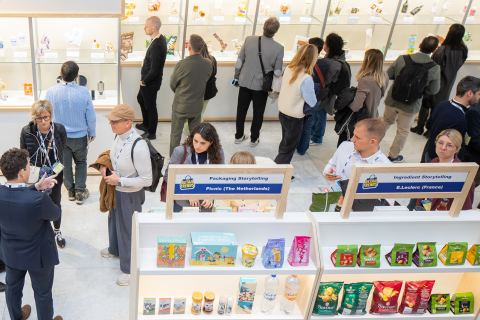
This year's PLMA trade show in Amsterdam highlighted just how far private label innovation has progressed. Showcased retailer products tapped into some of the most dynamic trends in FMCG, including functional beverages with added fibre or protein, globally inspired flavour profiles such as matcha and chilli, premium frozen snacks, and new concepts in beauty and personal care.
Winning private label awards products ranged from bubble yogurt infused with tropical fruit flavours and carbonated mate tea to spicy mango ice cream and tinned sea bass fillets, concepts that demonstrate creativity, category expansion, and consumer insight rather than simple imitation.
Perhaps most striking is the growing willingness of retailers and their supplier partners to move earlier on emerging trends. Industry observers note that private label teams are becoming more agile, experimenting with functional nutrition, premium positioning, transparent ingredient communication, and emotionally engaging packaging. In many cases, retailers are actively helping to shape trends rather than waiting for them to mature.
This evolution reflects the changing role of private label within modern retail strategy. No longer focused solely on price and margin, retailers increasingly see exclusive products and differentiated propositions as ways to build loyalty and strengthen their brand identity.