
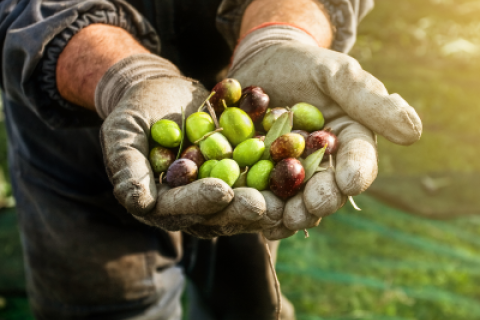
Olive oil, long associated with the sun-drenched landscapes of southern Europe, is beginning to develop roots much further north. A small but growing number of companies in the UK are now cultivating olives with the ambition of producing high-quality extra virgin olive oil, marking a notable shift in European food production.
In parts of Essex, Lincolnshire and Cornwall, olive groves are being planted in carefully chosen microclimates where relatively dry conditions, higher light levels and milder coastal influences reduce the risk of frost. Warmer summers and longer growing seasons have helped make this possible. While yields remain modest, several growers have already pressed their first batches of oil, with some achieving the chemical and sensory standards required for extra virgin classification.
The challenges are considerable. Olive trees demand a delicate balance of heat, light and rainfall, and erratic weather remains the greatest risk. Timing of harvest and rapid milling are critical, particularly in a climate where early frosts and high winds can quickly damage fruit. As a result, production is currently small-scale and premium-priced, positioned closer to artisanal European oils than to mass-market Mediterranean brands.
The UK is not alone in pushing the geographical boundaries of olive oil. Similar experiments are underway in other non-traditional European regions, including southern England’s neighbours in northern France, parts of southern Germany, Switzerland and even Austria. In these areas, climate change is slowly reshaping what can be grown, prompting farmers to explore crops once considered unviable.
For the wider European olive oil sector, this northern expansion does not threaten established producers, but it does signal a broader trend. Olive oil is becoming more diverse in origin, with provenance, flavour profile and storytelling gaining importance alongside price and volume.